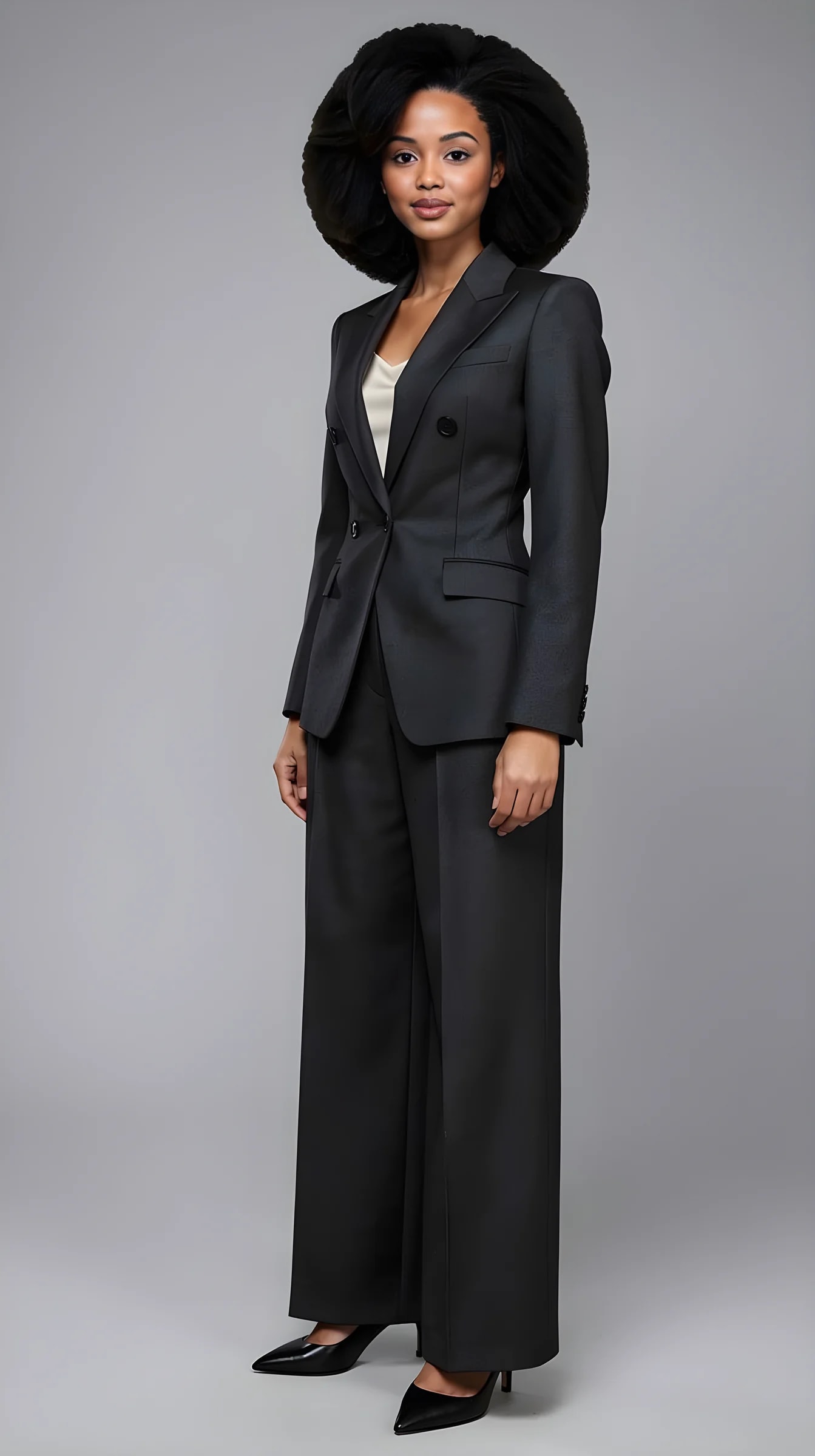
How do I generate a LinkedIn profile picture with AI?▼
Add two reference photos of yourself, choose a Look and a head-and-shoulders crop, then generate. Unlike a general AI image generator, there is no prompt to write: you pick from curated outfits and shoot setups and adjust the visible controls.
How many photos do I need to upload?▼
Two. One full-length photo, head to toe, and one clear face close-up with your eyes visible and no heavy filter. A third from another angle sometimes helps. If you cannot get a clean face shot, the studio can crop one out of the full-length picture.
What crop works best for a LinkedIn profile picture?▼
Head-and-shoulders or chest-up. The circle cuts the corners. Leave the face large and centred.
Can I use an AI photo on LinkedIn?▼
You keep your results and use them wherever you like — some people do use generated portraits as their profile photo. Two honest caveats: platforms set their own rules about AI-generated imagery and those rules change, so check LinkedIn's current terms yourself; and a picture that looks nothing like the person who walks into the meeting does you no favours.
Does LinkedIn allow AI profile pictures?▼
We cannot answer for LinkedIn — its policy is its own and it changes. Read the current terms before you publish. The practical test on our side is recognisability: if it is plainly you, it behaves like a photo of you.
Should my LinkedIn photo use a suit?▼
Only if that fits the role. Smart casual can be stronger. Inconsistency with the rest of your pictures is the real problem.
Can I make several options for the same profile?▼
Yes. Generate connected alternatives and compare expression and crop before you update the circle.
Will it still look like me?▼
Your identity photos remain the authority, though it is not a deterministic face lock. Clearer references give steadier results, some frames land closer than others, and when one drifts you generate it again.
Can I use the same Look on my website?▼
Yes. Keep the Look, widen the crop. That is personal branding, not a second costume.
Why does a fashion photoshoot fail on LinkedIn?▼
The circle hides the outfit and the scene. What remains is a tiny face. Direct for that, then make the fashion set separately.
Is it free?▼
You get free credits when you sign up, no payment required — enough to generate several pictures and see whether they are worth it. After that each generation costs credits.
Is this a legal ID photo?▼
No. It is a directed portrait for a professional profile, not an identity document.
What do the 10 free credits buy?▼
10 free credits to start. A picture costs 2 credits and the premium engine 9. Review the total before generating a Shot or Set.
How should I judge a generated portrait?▼
Compare the face, hair and details with your reference photos at full size and at the intended crop. Use a result only if it remains recognizable and fits its purpose. Likeness can vary; no usable-result count is guaranteed.