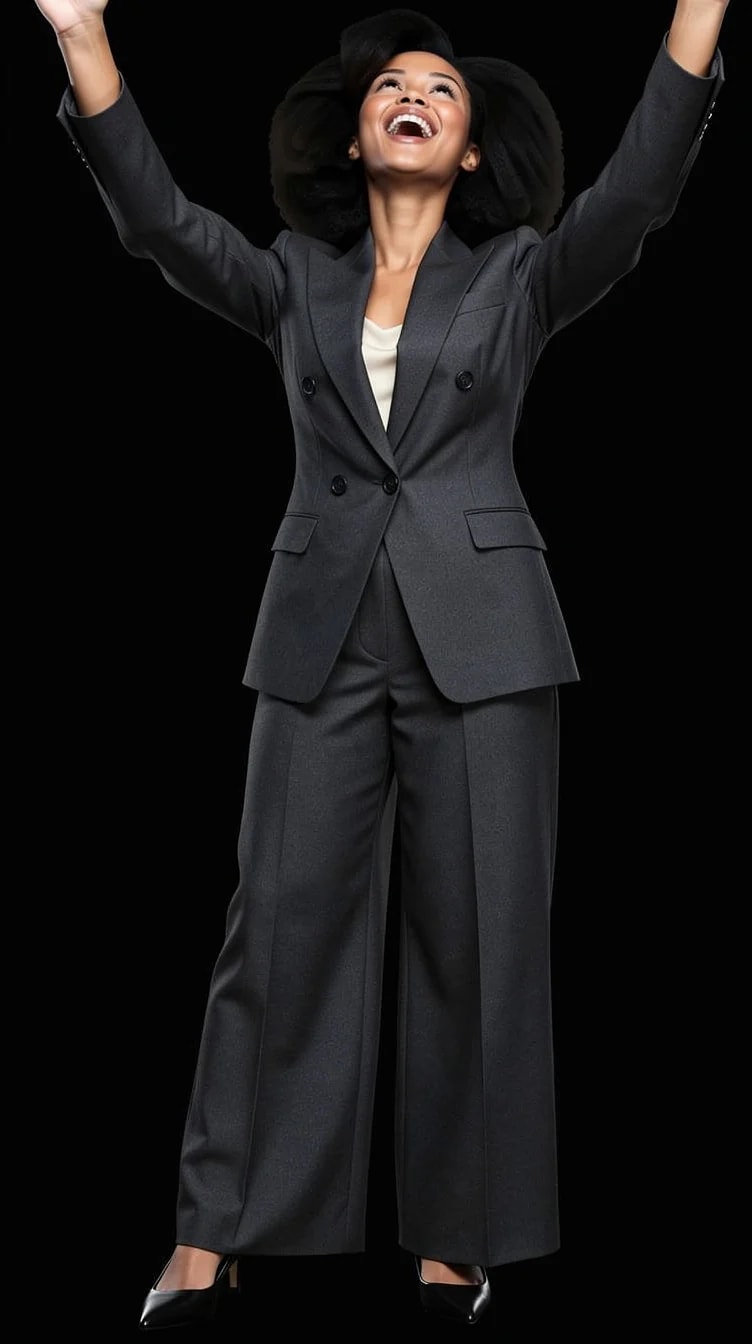
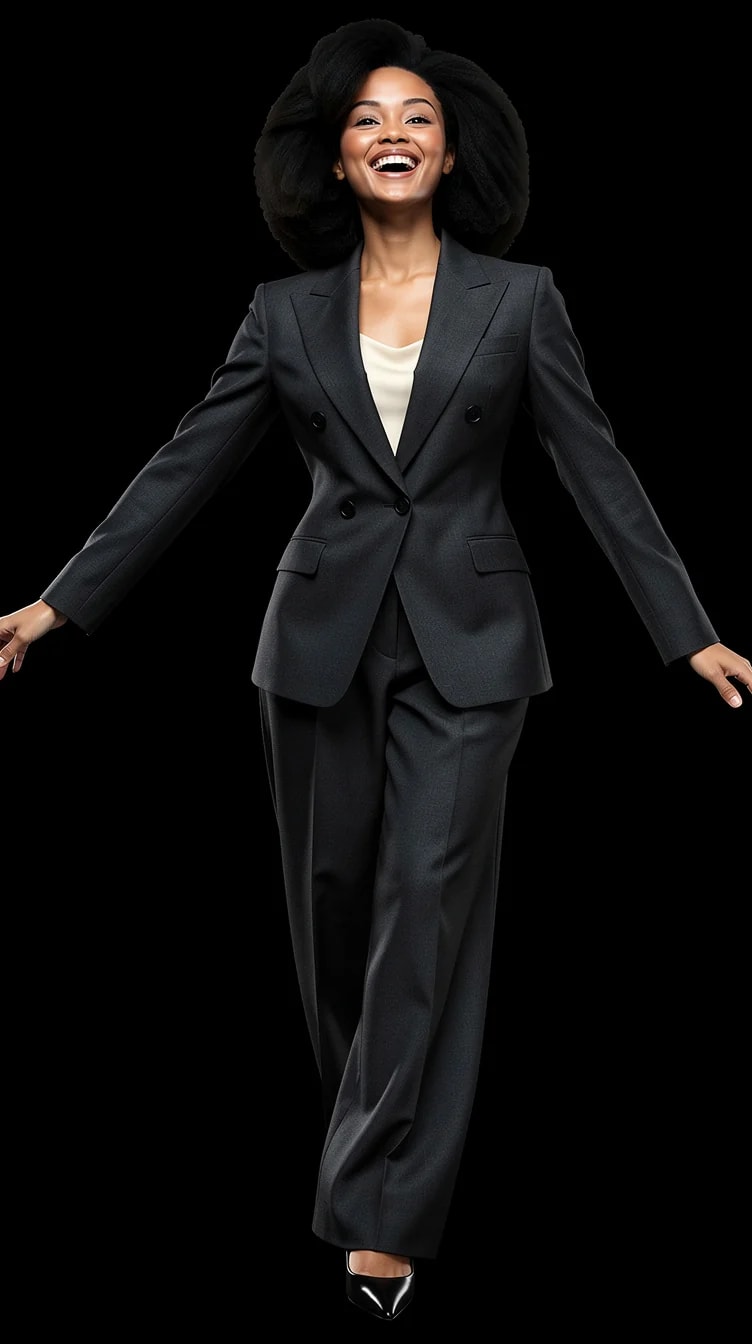
How do I generate multiple AI photos of myself at once?▼
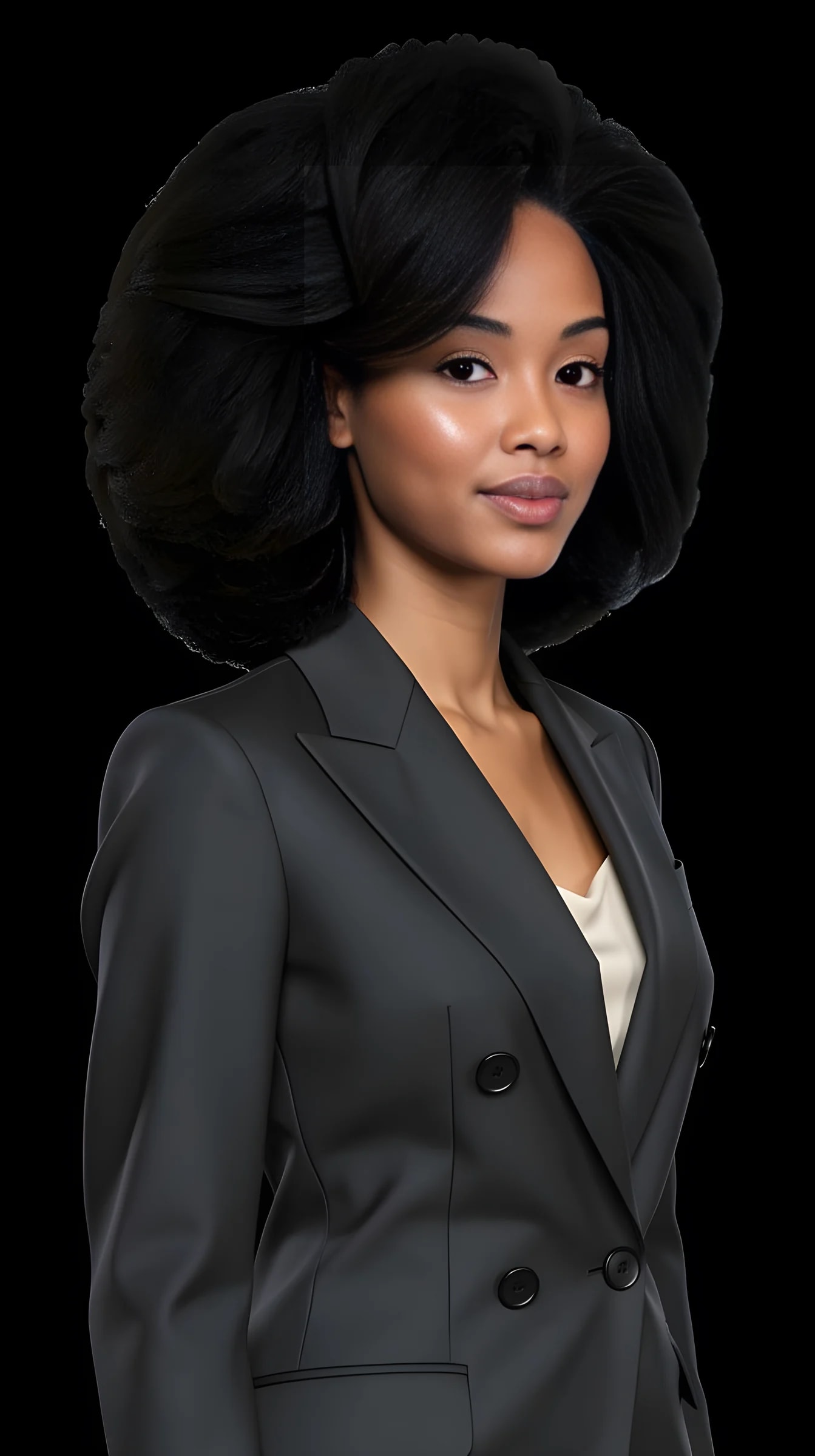
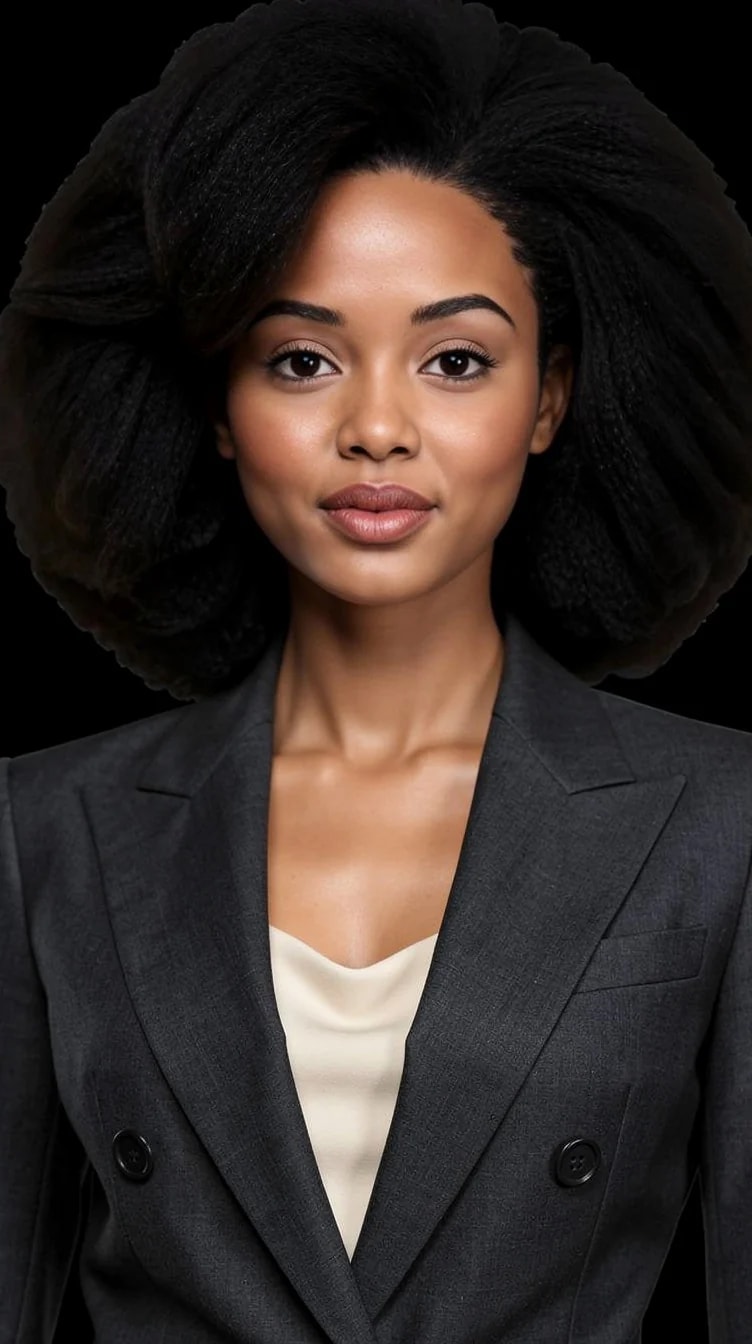
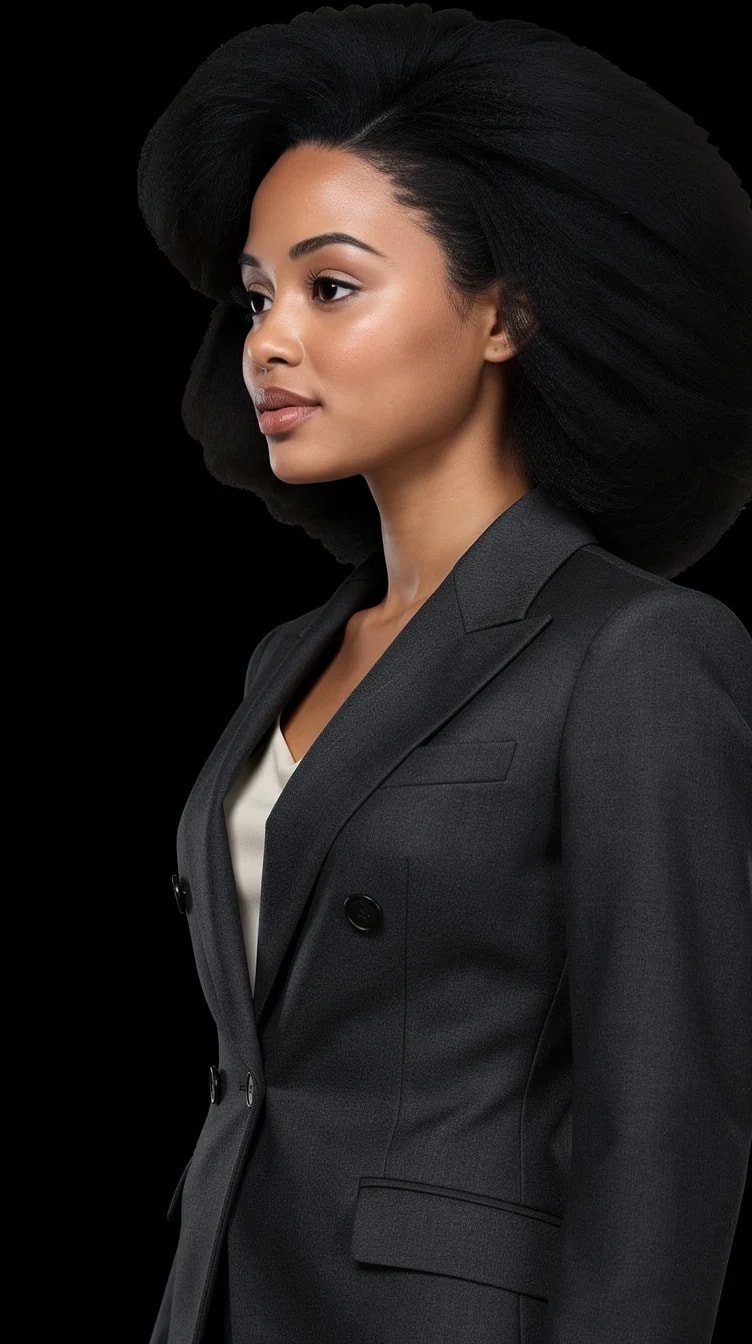
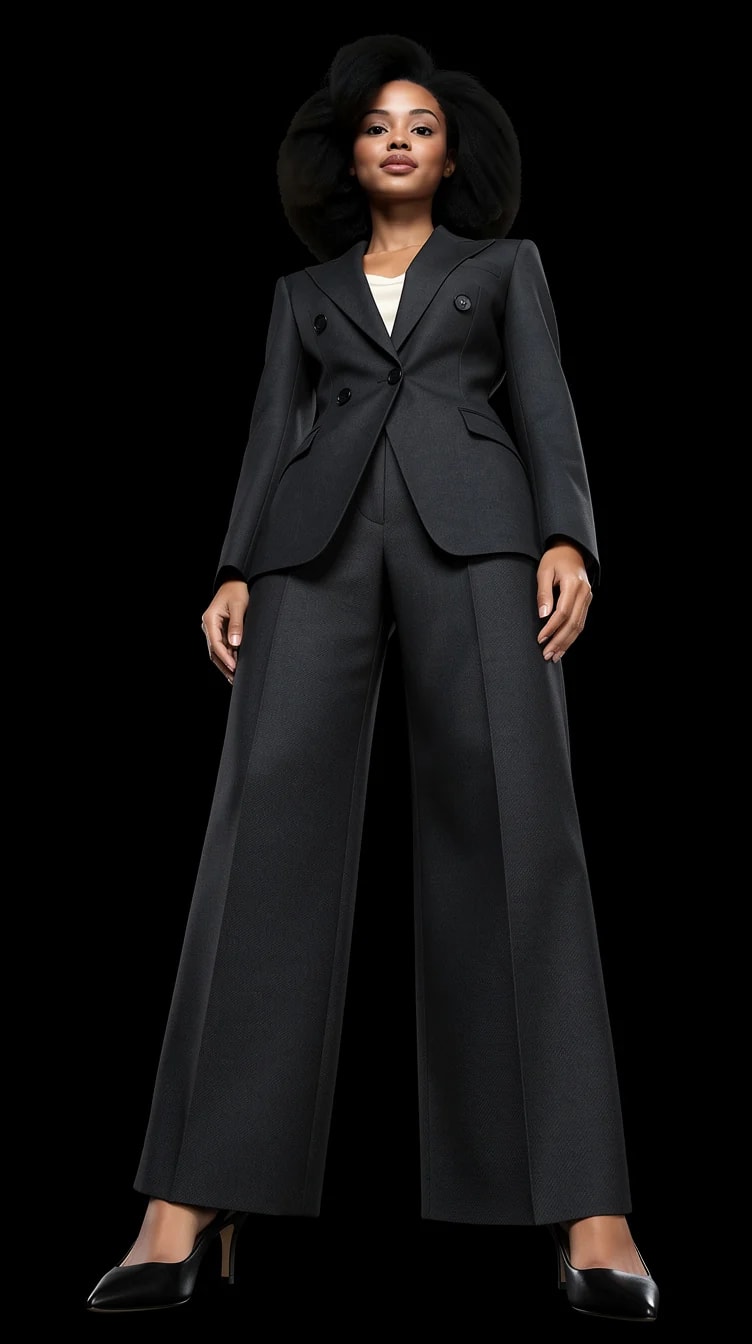
Pick one concept — an outfit and a scene — and generate a Set instead of a single Shot. The studio produces several connected frames from that one idea rather than making you start over for each picture.
How is a Set different from generating several single images?▼
A Set is generated as one session: outfit, scene, lighting and identity hold constant while pose, angle and crop vary. Singles generated separately drift.
How many images are in a set?▼
Several connected frames per concept — enough to read as a session and give you real choice. A set costs more credits than one picture, because it is more pictures.
What photos of myself do I need to upload?▼
Two: one full-length photo, head to toe, and one clear face close-up with no heavy filter. A third from another angle sometimes helps. Ordinary phone pictures are fine.
Can I control what varies across the set?▼
Yes — poses, framing, expressions and crops are the moving parts; the concept is the constant.
Can I choose the outfit for the whole set?▼
Yes, and it stays the same throughout. Pick a complete curated look, recolor it or swap a garment, then shoot the set — the clothes are part of the thread that makes the frames belong together.
Does my identity stay consistent across all frames?▼
That is the whole point of shooting a set rather than singles, and it is the core of the product. It is not a deterministic face lock — the odd frame lands less like you than the others, which is exactly why a set gives you several to choose from.
Can I make a set from my own outfit idea?▼
Yes. Start from a curated concept or use a reference photo as the brief, then generate the set from it. You can also drop in a photo of a garment you own and build the set around that.
How realistic are the pictures?▼
Realistic enough to use across a profile or a site, and the examples here are unretouched. The honest weak spots are the same as everywhere in this field: hands, jewellery, thin straps and fine fabric. Expect to keep most of a set and discard a frame or two.
Can I use a set for a profile or a website?▼
That is one of the main reasons people generate one — a profile built from one good picture and five phone snaps looks exactly like that. Some platforms have their own rules about AI imagery, and a picture that looks nothing like you helps nobody, so pick the frames that read as you.
How long do the images stay available?▼
Generated pictures clear after a couple of days unless you keep them — tap the heart to leave one in the studio, or download it. Download the frames you care about as soon as you have a set you like.
Do I need to write prompts?▼
No. Concept selection and visual controls are the whole workflow.