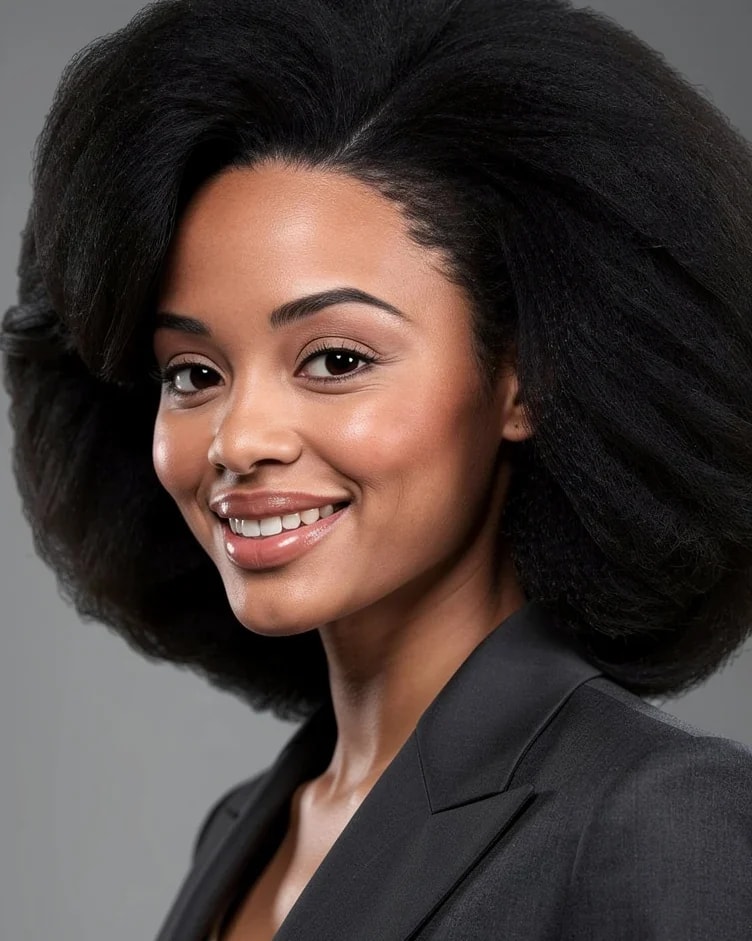
The useful portrait
LinkedIn, team page, speaker bio. Clear crop. Calm light. A Look that fits the work.
Personal brand
The job is not one hero portrait. It is looking like the same person in a small LinkedIn circle, on a website, in a press kit, and on a stage. So make the brand photoshoot as a set: keep the face, change the room, direct the Look, and generate the pictures you actually need.
The decision
Yes — if you decide the person first, then make a small set of images, not twelve unrelated experiments. A personal brand is a wardrobe of pictures, not a new face every time.
LinkedIn, team page, speaker bio. Clear crop. Calm light. A Look that fits the work.
Press, a talk, a founder page. Same face. Stronger point of view.
Three to six frames. Same clothes or the same colour family. Different crop and pose.
You pick a curated Look off a rail instead of describing a jacket to an image generator. A brand is a decision, not a prompt.
Every photo starts from the same identity references, which is why the set reads as one person rather than as a stock library.
The Look is saved. Generate next year's branding pictures in the same jacket — the repetition is what makes it a brand.
How it works
If you start by collecting moods, you will get a costume party. Start with the room the photo has to survive, then generate for it.
01
LinkedIn, company site, press, talk, or all four.
02
Two ordinary photos — one full-length, one clear face close-up. Identity stays the authority.
03
Tailoring, smart casual, or editorial — not all three in the first set.
04
Head-and-shoulders, three-quarter, one wider frame. Same clothes.
05
Heart the set. Download the rest. The unused experiments can go.
Examples
These are directions, not costumes. Every image is the same person — that is the whole trick of a branding set.
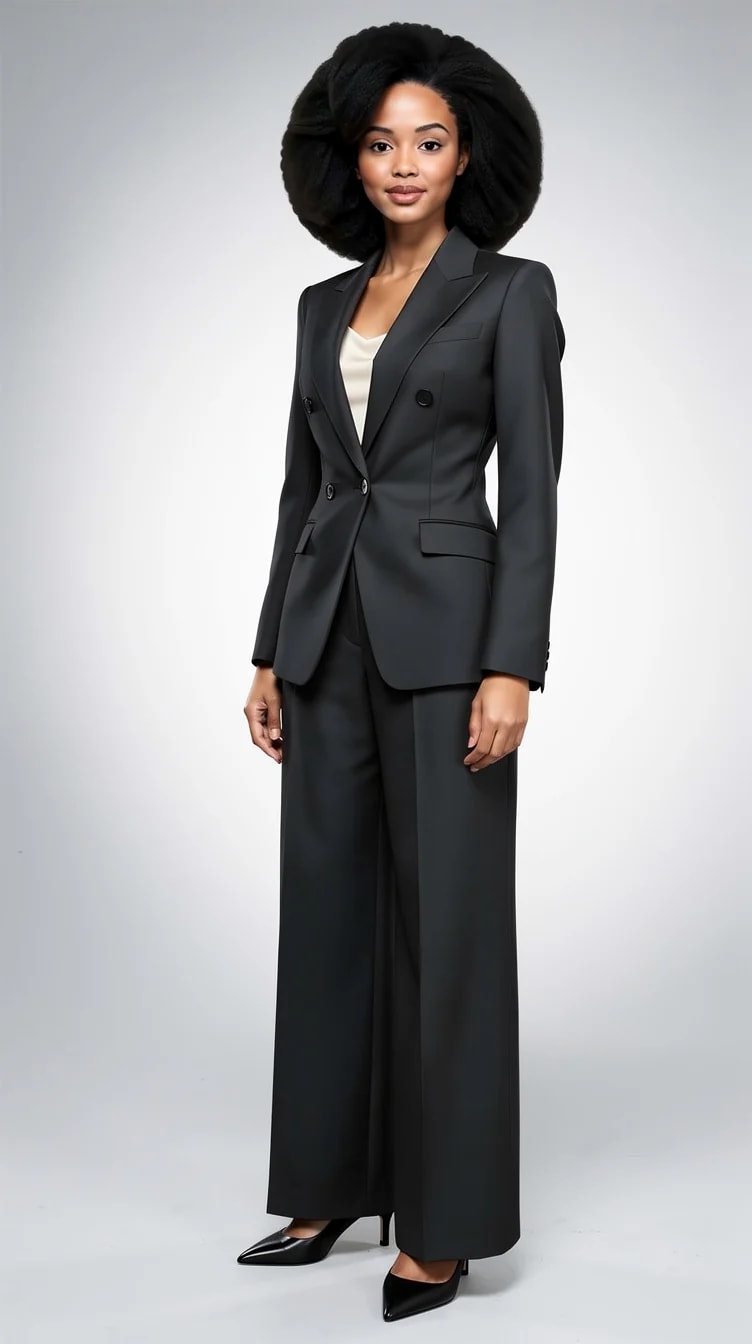
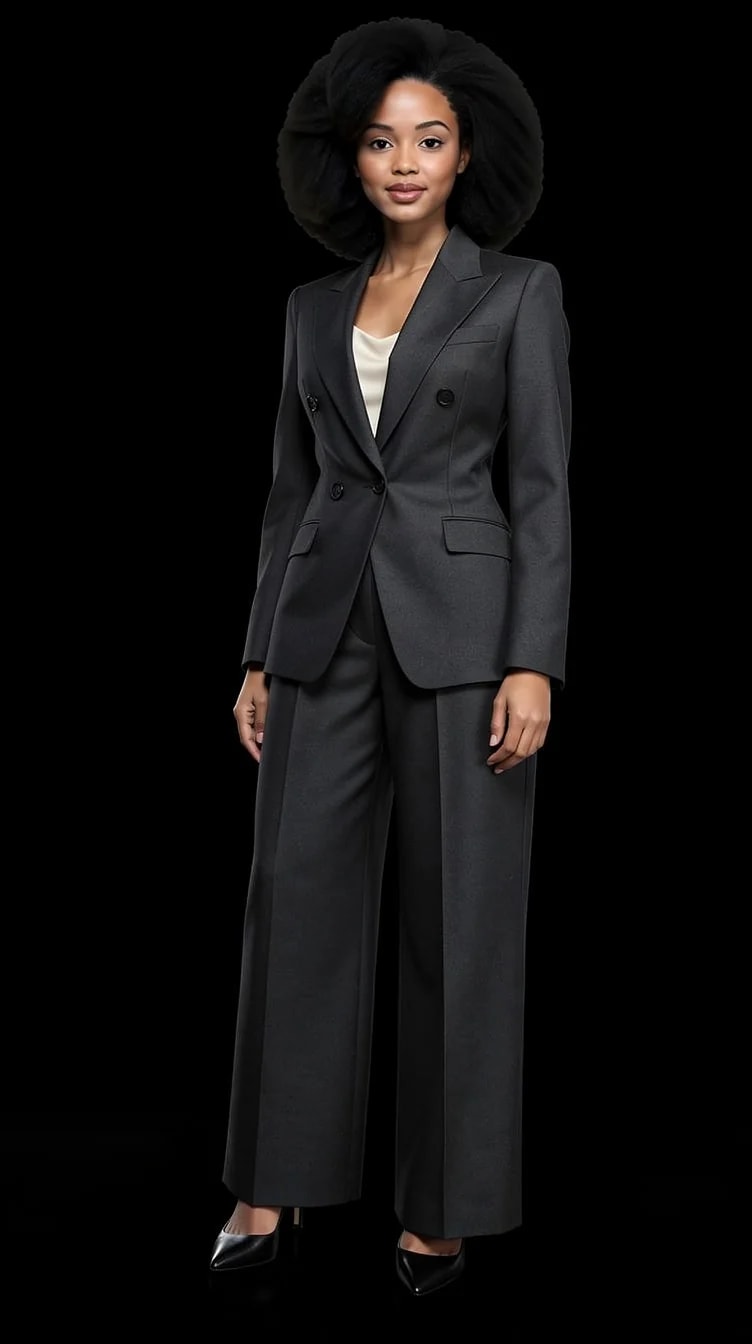
Quiet, architectural, easy in a small circle.
More formal. Still a face, not a stock pose.
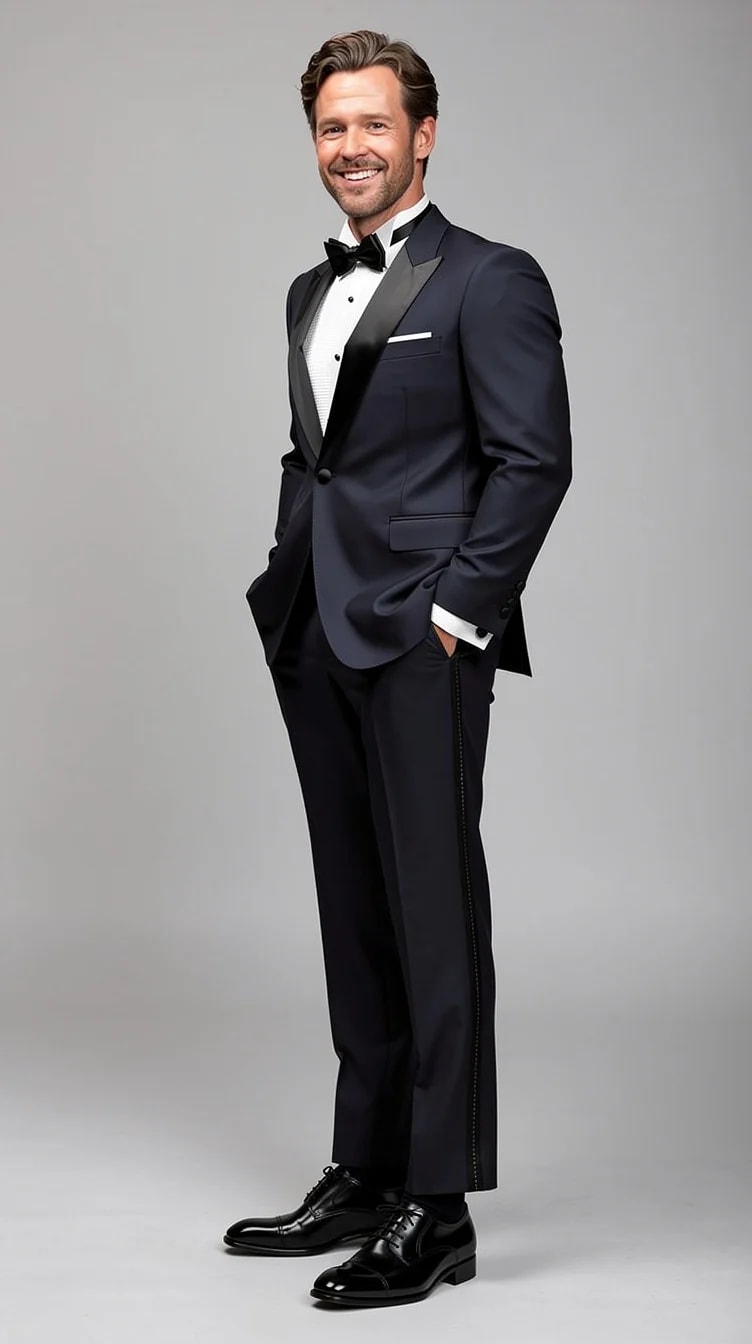
The useful portrait. Do this one first.
Softer authority. Good for culture, product, design.
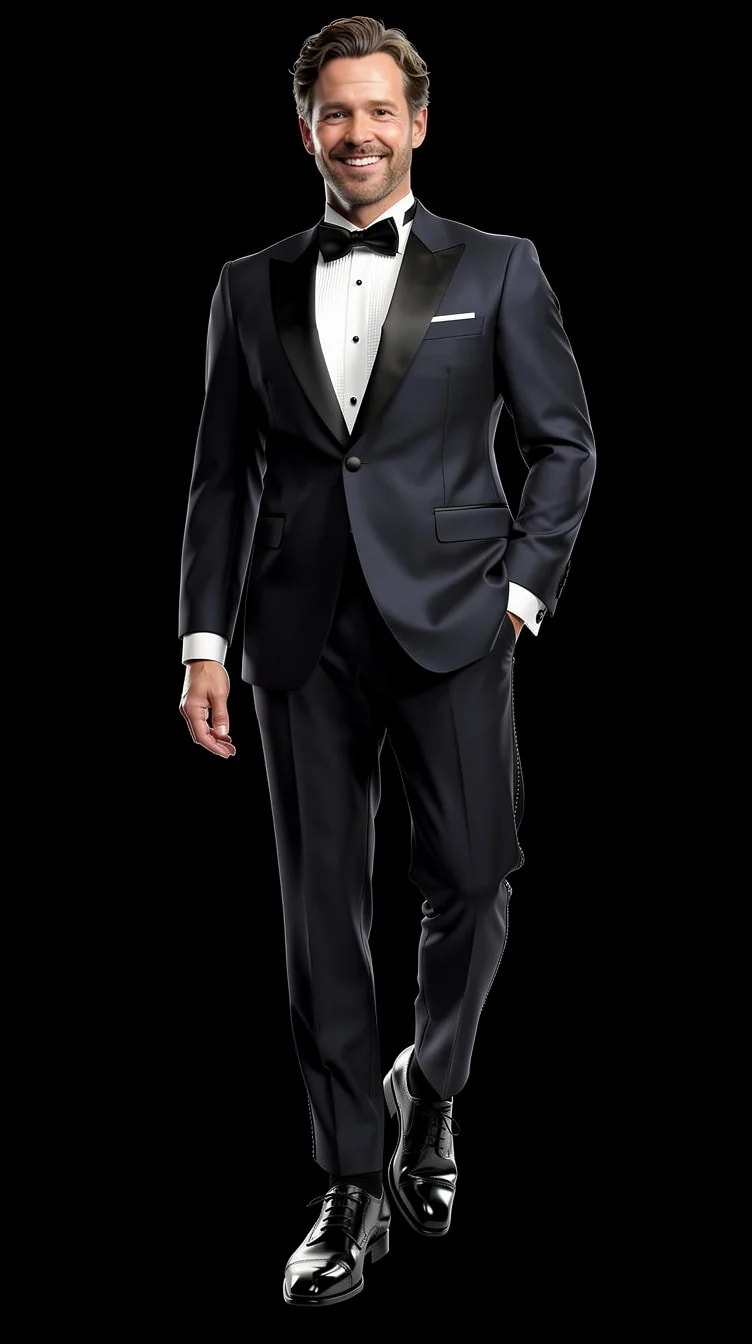
Evening, press, a talk after dark.
Thoughtful. Less armour. Still directed.
What you can change
Change crop and expression more often than you change the whole Look.
Suit, no tie, knit, editorial. Pick the level your audience already expects — then push one notch.
Approachable for comments. Focused for a keynote. Same person.
Circle thumbnail. Banner-adjacent wide. Full page.
Quiet studio, office, a real place. Busy backgrounds fight a small circle.
Keep one jacket across the set so the pictures feel related.
A colour family is a brand. Random outfits are a moodboard.
Ideas to try
You do not need twenty versions of yourself. You need three that agree with each other.
One head-and-shoulders for LinkedIn. One three-quarter for a site. One wider frame for press. Same Look.
Same face. One frame a little more cinematic. One a little more useful. Do not become two people.
If your site is warm, do not publish a cold blue headshot next to it.
A slightly more open expression for comments and clips. The stern one can stay on the about page.
Upload the real one if you have it. Remix the rest. The jacket becomes the brand.
After the useful set, spend a few credits on the version nobody asked for. Keep it off the CV.
Yes. Add identity photos, pick a Look family, and generate a connected set with controlled crop, light, and expression.
Decide the room first, upload two reference photos, choose one Look family, then generate three to six frames that share the clothes and differ in crop and pose. You direct visible controls rather than write prompts.
Two. One full-length photo, head to toe, and one clear face close-up with your eyes visible and no heavy filter. A third from another angle sometimes helps. If you cannot get a clean face shot, the studio can crop one out of the full-length picture.
LinkedIn is one room. Personal brand is the set that still looks like you in several rooms.
A headshot is one image in the set — usually the useful one. Branding pictures also include the wider frames for a site, a press kit or a talk.
Three that agree is enough: a circle crop, a site crop, a wider frame. More is optional.
Only if that is the person you are selling. Smart casual can be the brand. Inconsistency is the problem, not informality.
Your identity photos stay the authority, though it is not a deterministic face lock. Clearer references give steadier results, some frames land closer than others, and when one drifts you generate it again.
Yes. Keep a jacket or a colour family on a shelf and reuse it so new pictures still belong to the same person.
You keep your results and use them wherever you like. Two caveats worth saying out loud: platforms set their own rules about AI-generated imagery and those rules change, so check the current ones; and a picture that looks nothing like the person who turns up does you no favours.
You get free credits when you sign up, no payment required — enough to generate a first set before deciding whether to buy more. After that each generation costs credits, and Tune edits count the same way.
Do not publish twelve unrelated costumes as your brand. Do not claim a picture is a legal ID photo. And do not assume every frame is publishable — hands, jewellery and fine fabric detail are where any image generator is weakest, so pick from a few.
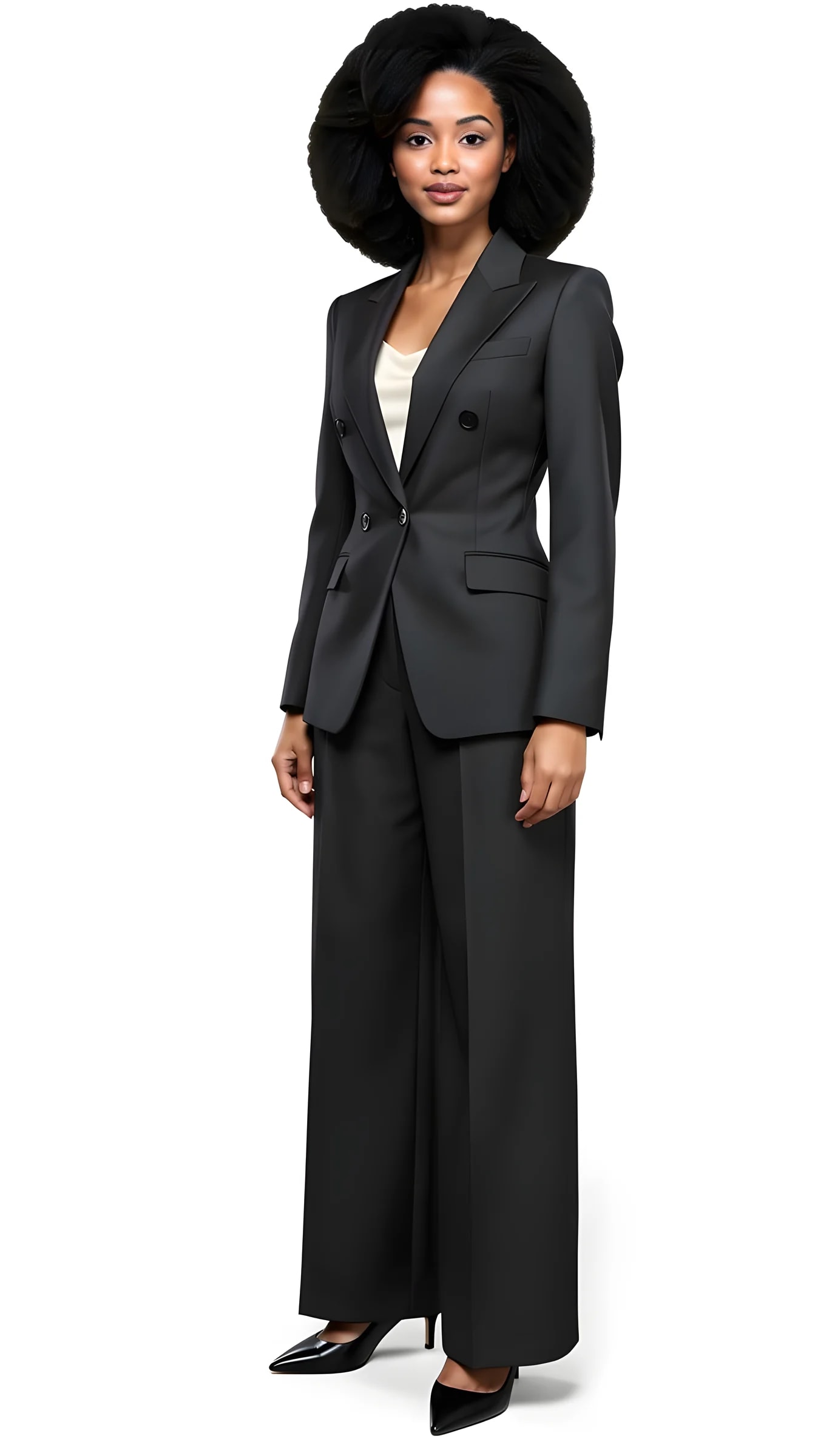
Create yours
One Look family. Three crops. Same person in every room.